
Home > Smart Building Solutions > Indoor Air Quality Monitoring

Improve occupant health and productivity

Meet regulatory requirements in terms of air quality in buildings

Optimize ventilation and heating costs

Increase building attractiveness
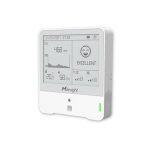
Monitor carbon dioxide concentration to ensure adequate ventilation and prevent drowsiness.
Regulatory compliance • Productivity optimization
Maintain optimal comfort levels while preventing mold growth and material damage.
Comfort optimization • Building protection
Detect VOCs, particulate matter, formaldehyde and other harmful substances in the air.
Health protection • Early warning system
CO2 Levels
Monitor carbon dioxide concentration
Temperature & Humidity
Comfort zone compliance tracking
Particulate Matter
PM2.5 and PM10 concentration levels
VOC Levels
Volatile organic compounds detection
Compliance Rate
Time within healthy air quality ranges
Air Quality Index
Overall air quality rating (1-100)
Ventilation Rate
Fresh air supply per square meter
Exposure Time
Time spent in poor air quality conditions
Live monitoring of all air quality parameters
Color-coded alerts and trends
Map visualization of the various monitored areas.
Occupant health metrics and productivity correlation.
Tenant satisfaction integration
Smart Responses
• Automatic ventilation adjustment based on CO2 levels
• Temperature regulation to maintain comfort zones
• Air purification system activation when pollutants detected
• Energy-efficient operation during off-hours
Benefits
• 15-25% reduction in HVAC energy costs
• Improved tenant satisfaction and retention
• Reduced sick building syndrome incidents
• Automated compliance reporting

Understanding ISO 16000. Its Role in Indoor Air Quality Management