
Extract from our Smart Building White Paper.
With the rise of teleworking, accentuated by the health crisis, the underutilization of spaces has become a major issue for companies.
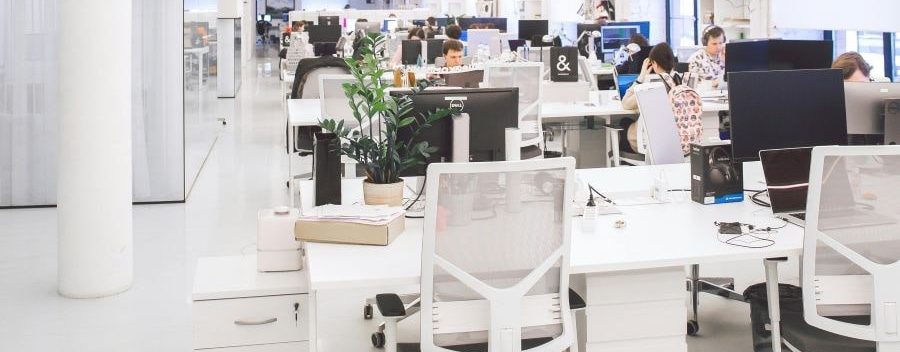
Traditional offices are gradually giving way to hybrid and flexible workspaces:
Towards more flexible and better used spaces
- Flex-desks to adapt to the changing needs of employees
- Collaborative spaces dedicated to team projects
- Relaxation areas to promote well-being and creativity
- Isolated boxes for calls and videoconferences
Optimizing these spaces must be dynamic, and requires alignment between office organization, attendance planning, and employees’ real needs. IoT will make it possible to collect and analyze all data related to occupancy.
There are many sensors that can measure the level of presence and occupancy in buildings. They operate on the basis of anonymized data, and are therefore compatible with the obligations regarding respect for personal data (GDPR).
Sensors for Occupancy Measurements
- Counting sensors: number of people entering or leaving a building or area
- Presence sensors: occupancy of a meeting room or an individual office
- Density sensors: number of people present in a room
- Opening detectors: monitoring door and window openings
- Monitoring outside working hours: detection of abnormal presence
Combining occupancy, air quality and energy consumption data enables more efficient building management.
Towards a global optimization of the building
- Adapt the distribution of spaces between Flex Desk, open-space and quiet areas
- Optimize the use of meeting rooms and streamline traffic flows
- Improve security through real-time presence detection
- Close certain unoccupied areas to reduce energy costs (heating, ventilation, etc.)
- Analyze the occupancy and usage rates of different spaces (offices, meeting rooms, collaborative areas, etc.)
